Western governments once framed Libya as a humanitarian intervention. A defence of freedom. A moral duty. Yet the families who celebrated in 2011 now face blackouts that last fourteen hours. Schools close in extreme heat. Clinics ration power. And foreign consultants negotiate contracts in secure hotels while Libyan citizens watch their future fade.
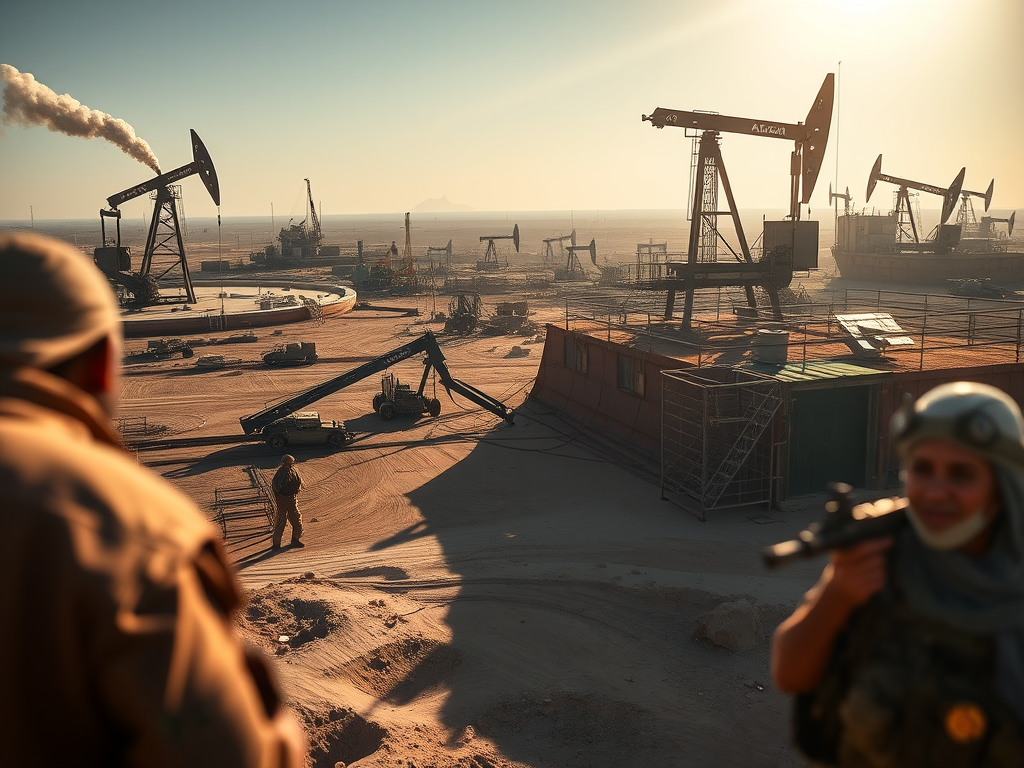
The oil crescent became the heart of the conflict. Militias took terminals. Foreign oil companies made deals with whichever group held the gates. A UN Panel of Experts estimated tens of billions lost to shutdowns, smuggling, and political paralysis.
For many Libyans, this was not liberation. It was displacement — not from land, but from the nation’s own wealth.
Saif al-Islam Gaddafi knows the power of that anger. He is rebuilding alliances across the same oil crescent that once financed national development. Tribal leaders still remember when state revenues reached their communities directly. No foreign intermediaries. No vanishing money. Their interest in Saif is not romance. It is economics. Stability. Respect.
His message to them is simple: take back what is yours.
I believed Libya might stabilise after 2011. Maybe that was a mistake.
This message alarms Western governments more than any speech. If Libya regains full control of its oil, Europe loses influence. Italy once sourced nearly a quarter of its crude from Libya. France ties its Sahel policy to Libyan stability. A Libya in control of its own wealth threatens decades of external leverage.
African nations see the implications too. Niger, Mali, Chad — all watching closely as they push out old colonial pressures. If Libya succeeds in reclaiming its oil, a model emerges for the entire region.
This is why Libya’s oil battlefield is more than an economic arena. It is a political frontier. A symbolic fight for who defines Africa’s direction: outsiders or Africans themselves.
Western media rarely tells this part of the story. They show militias, refugees, and ruins, but not the negotiations behind the chaos. Stability shrinks foreign influence. Instability keeps influence alive.
Saif al-Islam understands this. Libyan tribes understand it. And Western capitals understand it too.
Libya’s next chapter will not be written in foreign capitals. It will be written in the oil crescent where tribes, commanders, and political figures decide whether the nation’s wealth returns to Libyan hands or remains trapped in endless conflict.
If the oil returns home, everything changes. If it does not, the war continues under a different name.
The real battlefield was never Tripoli. It was always Libya’s oil battlefield.
Leave a Reply