I have observed a shift in Sweden’s administrative climate that every expat needs to understand. While the country remains a top destination for global talent, a 2026 report from the National Audit Office (Riksrevisionen) and the Equality Ombudsman (DO) reveals that “color-blind” bureaucracy is failing. For those of us navigating life here with a foreign name or background, the stakes have recently become much higher. This is due to new legislative thresholds and automated systems.
1. The SEK 33,390 Hurdle: High-Stakes Bureaucracy for Work Permits
I believe the most immediate threat to expat security is the new salary threshold for work permits. As of June 1, 2026, the minimum monthly salary has risen to SEK 33,390. This figure represents 90% of Sweden’s median wage. This change transforms a simple renewal into a high-stakes audit.
When an agency like the Migration Agency (Migrationsverket) reviews these applications, the “One-Idea” rule often applies. One minor discrepancy in a foreign-sounding file can trigger a rejection that a “Svensson” might bypass. I see this as a form of “bureaucratic friction.” Furthermore, people with non-EU backgrounds face 12.5% higher scrutiny under the new 2026 compliance rules.
| Metric | Previous (2025) | New (June 2026) |
|---|---|---|
| Minimum Salary | SEK 29,680 | SEK 33,390 |
| Basis | 80% Median Wage | 90% Median Wage |
| Expat Impact | Moderate | High Risk of Deportation |
2. EU vs. Sweden: The Battle Over Pay Transparency
I am tracking a major legal tension between Stockholm and Brussels. The EU Pay Transparency Directive, which was supposed to be implemented by June 2026, is currently facing delays in Sweden. The Swedish government recently suggested postponing the final bill until January 2027, citing a need for “market adjustment.”
For expats, this delay is a setback. The Directive would have forced employers to disclose salary ranges upfront. This would have effectively ended the “foreign name discount.” Without this EU-mandated transparency, I’ve found that expats with non-Swedish names are often offered lower starting salaries for the same roles. This trend is highlighted in the Equality Ombudsman’s 2025 report as a persistent structural failure.
3. “Visitationszoner” and the Physical Reality of Bias
The introduction of Security Zones (Visitationszoner) has moved bias from the office to the street. These zones allow police to search individuals without a specific suspicion of a crime. I find it alarming that the EU Agency for Fundamental Rights (FRA) has flagged these zones for potential “ethnic profiling.”
If you are an expat living in a designated zone, your physical appearance now dictates your interaction with the state. The police often operate in a “gray area,” and without “Equality Data” (data tracking ethnicity), it is nearly impossible for a victim to prove they were targeted. As a result, this creates a culture of “suspicion by default” for those who do not look “traditionally Swedish.”
The Unresolved Mirror
I look back at the 2013 Roma Register scandal as a reminder that Swedish agencies have a history of illegal ethnic tracking. Today, the bias is more subtle—hidden in algorithms and “median wage” thresholds—but the impact is just as real. The EU Anti-Racism Strategy (2026-2030) is now the last line of defense. It pushes Sweden to move from “acknowledging” racism to systemically dismantling it.
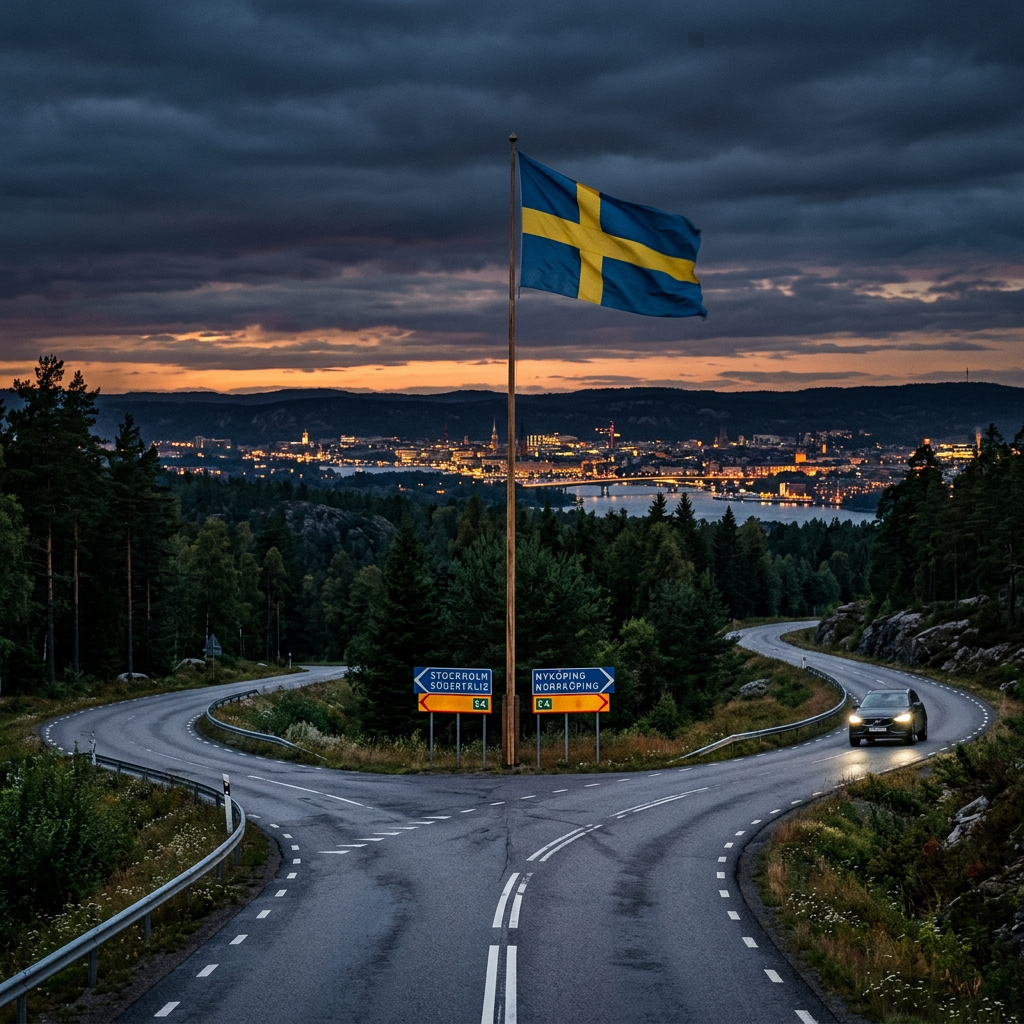
Sweden is at a crossroads. It can continue to hide behind “neutral” laws that disproportionately hurt expats. Alternatively, it can embrace the transparency the EU is demanding. Until then, I believe every expat must be their own advocate, armed with the knowledge that the system is not as “blind” as it claims to be.
Should the EU have the authority to override Swedish “security zone” laws if they are found to target specific ethnic groups?
Leave a Reply