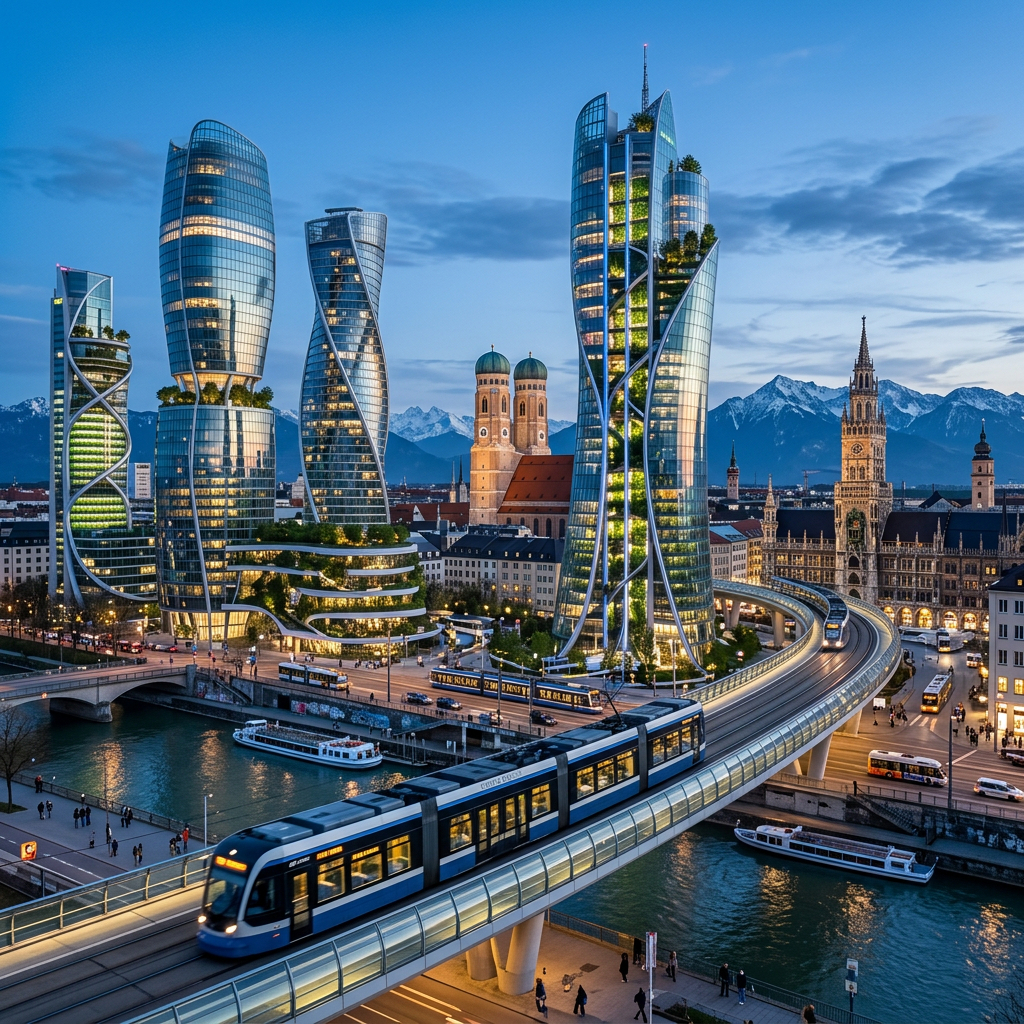
I’ve spent a career watching how global systems rely on seamless movement to survive. Much like the SWIFT banking networks I once managed—where friction in one node slows the entire flow—capital in the pharmaceutical world follows the path of least resistance. When Berlin adds regulatory hurdles, the “liquidity” of medical innovation simply drains toward the United States. This challenge is particularly significant for German pharma innovation as the landscape faces pressure to remain competitive globally. Indeed, the current period could mark a turning point for German pharma innovation and its global leadership.
The Cost of a Balanced Budget
The catalyst for this shift is the GKV Financial Stabilization Act (GKV-FinStG). While “balancing the books” sounds prudent, it creates a hostile environment for long-term R&D. We are already seeing the divergence: while the German pharmaceutical market is projected to grow at a 6.12% CAGR through 2031, this growth is increasingly driven by generic volume and “stable” older therapies, whereas the high-margin “launch-first” innovative drugs are eyeing the U.S. market.
| Reform Measure | Impact on Innovation |
| 6-Month Price Window | Firms have just 180 days to recoup R&D before mandatory price caps hit. |
| €30M Orphan Cap | Disincentivizes the hunt for rare condition cures (down from €50M). |
| Combination Rebates | A mandatory 20% discount on drugs used in cocktail therapies. |
For those outside the industry, a combination rebate is effectively a penalty on drugs designed to work together—like modern mRNA cocktails that fight complex cancers. By taxing these synergies, the law punishes the very modular medicine that firms like BioNTech have mastered. Moreover, one of the industries most affected by these combined regulatory and pricing measures is German pharma innovation, which must adapt quickly.
The Innovation Gap Hits Home
The Frankfurter Allgemeine Zeitung (FAZ) calls this an Innovationsrückstand—an innovation gap. For a patient in Munich, this means that even if a drug is invented in Bavaria, the clinical trial might launch in Boston first.
I see this through a personal lens during my 90-day stays in Munich. My daughter, Fareha, is a Research Associate in MAP Screening & Biology at BioNTech. Her work is the “Foundation” of the mRNA revolution. BioNTech is currently aiming to become a “multi-product oncology company” by 2030, with 15 Phase 3 trials planned by the end of 2026. However, the analytical insight is striking: while the early-stage “Eureka” moments happen in Munich labs, the later-stage, high-value clinical trials are increasingly distributed globally to avoid the European “innovation gap.” Unfortunately, German pharma innovation risks falling further behind if these patterns persist.
Forecast: Munich 2027
What does this look like for our city by 2027?
- The “Brain Stay”: Munich’s IZB Biotech Cluster remains a powerhouse for startups, but we may see “commercial exits” where local companies are acquired by U.S. giants (like Gilead’s recent $5 billion acquisition of Munich-based Tubulis).
- Regulatory Friction: Unless the Medical Research Act provides enough of an offset, we expect Phase III enrollment in Germany to lag behind the U.S. by 12–18 months for novel oncology treatments.
- Fiscal Irony: Short-term savings from drug rebates may be offset by the loss of high-value “Intellectual Property” exports. Consequently, German pharma innovation may inadvertently fuel foreign economies rather than strengthen Germany’s position.
The Unresolved Close
Berlin is currently making a trade-off: lower drug prices today in exchange for a slower “starting line” tomorrow. Some point to the 2026 R&D Tax Credit expansion (raising eligible spend to €12 million) as a sign of hope. But for a global giant, €12 million is a drop in the ocean compared to the billions lost in “combination penalties.”
As a grandfather, I watch Salar play in the shadow of world-class labs and wonder: if the next breakthrough for his generation is discovered just five kilometers from our home in Munich, why should he have to wait for it to be validated in America first?
Do you believe a government’s primary duty is to keep medicine affordable today, or to ensure that the cures for tomorrow are developed on its own soil?
Leave a Reply