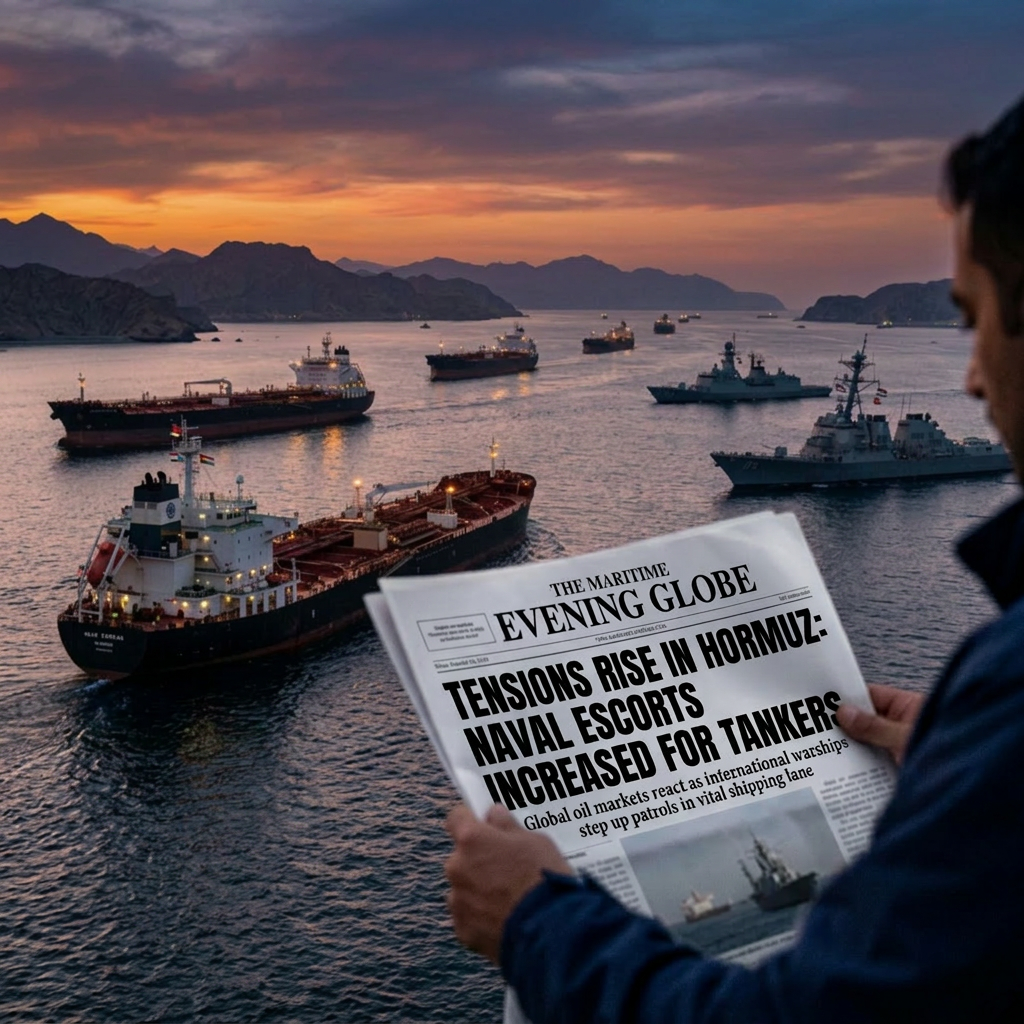
The phrase Trump ultimatum to Iran started circulating almost overnight. April 19, 2026. A supposed red line. A warning to dismantle Iran’s infrastructure if it refused a deal after attacks in the Strait of Hormuz.It sounds like the kind of moment that shifts history.Maybe it is. Maybe it isn’t. That’s the problem.
What we can actually verify
Let’s slow this down.There is no solid, widely confirmed reporting that:Donald Trump issued a formal ultimatum threatening to destroy Iran’s entire civilian infrastructurePakistan brokered a ceasefire involving Western naval forcesIran carried out a verified attack on French and British vessels tied to such negotiationsOutlets like Reuters and BBC News haven’t confirmed this chain of events.And if something this big had happened, they would.I mean… they always do.Maybe I’m missing a late update. But nothing credible points to this exact scenario.
Why the story feels believable anyway
Here’s where it gets tricky.
The setting is real. The tension is real.
The Strait of Hormuz carries close to 20% of global oil supply
Even a rumor of disruption can shake markets
The U.S. and Iran have a long history of naval standoffs
So when a claim like this appears, it doesn’t feel absurd. It fits the script we already expect.
I’ve seen how quickly these things spread. Office conversations, WhatsApp groups, even casual chai breaks here in Karachi. Someone forwards a message. Another adds a headline. Within hours, it starts to sound like confirmed news.
How the narrative builds itself
This is where the pattern becomes obvious.
First, you take a real tension.
Then you add a trigger that sounds plausible but isn’t confirmed.
After that, you introduce a decisive response.
And finally, you wrap it in language that feels powerful:
“No More Mr. Nice Guy”
“Peace Through Strength”
“Iran Killing Machine”
Those phrases don’t just describe. They push you toward a conclusion.
The idea behind “Peace Through Strength”
The doctrine itself isn’t new.
Ronald Reagan used it during the Cold War. The argument was simple. Show overwhelming strength, and your adversary backs down.
Donald Trump has echoed similar thinking.
Supporters believe:
Strong threats prevent war
Clear red lines reduce ambiguity
Critics argue something else:
Threats can escalate faster than expected
Coercion rarely produces stable agreements
Civilian infrastructure targets raise serious legal and moral questions
Both sides think they are preventing disaster. That’s what makes it dangerous.
What’s missing from this story
When something real happens in the Gulf, certain signals show up quickly:Satellite-confirmed incidentsStatements from multiple governmentsInsurance spikes for shipping routesImmediate movement in oil pricesHere? Nothing clear.No satellite evidence.No coordinated official confirmations.No market panic tied to a specific event.That silence is hard to ignore.
So why does this kind of story take off?
Because it answers a feeling before it answers a fact.
There’s already tension. Already distrust. Already fear of escalation.
All the story has to do is fill in the blanks.
And honestly… it does it well.
Clear villain. Strong leader. High stakes. Simple resolution.
Reality is rarely that tidy.
Conclusion
The Trump ultimatum to Iran narrative taps into something real. The Strait of Hormuz is fragile. U.S.–Iran relations remain unresolved. One miscalculation could ripple across the global economy.
But this version of events feels… constructed.
Not entirely fabricated. Not entirely grounded either. Somewhere in between.
And maybe that’s the part worth paying attention to.
Because if a story like this feels believable before it’s verified, what happens when something similar actually is?
Leave a Reply