I spent my morning looking at a map of Islamabad, a city that has suddenly become the most important real estate on the planet. If you’ve been avoiding the news because the “Operation Epic Fury” headlines felt too heavy, I don’t blame you. But right now, the world’s most awkward diplomatic dance is happening in Pakistan, and it’s hitting your wallet every time you hit the gas station.
I’m talking about the latest attempt at peace talks between the U.S. and Iran. After eight weeks of a conflict that has sent American gas prices soaring past $4 a gallon, the White House is sending a heavy-hitting delegation to try and find an exit ramp.
The Players and the Pakistan “Bridge”
President Trump has deployed Jared Kushner and special envoy Steve Witkoff to Islamabad. It’s a fascinating choice of personnel. While Vice President JD Vance led the first, unsuccessful round, this new team suggests a shift toward the kind of “deal-making” persona the President prefers.
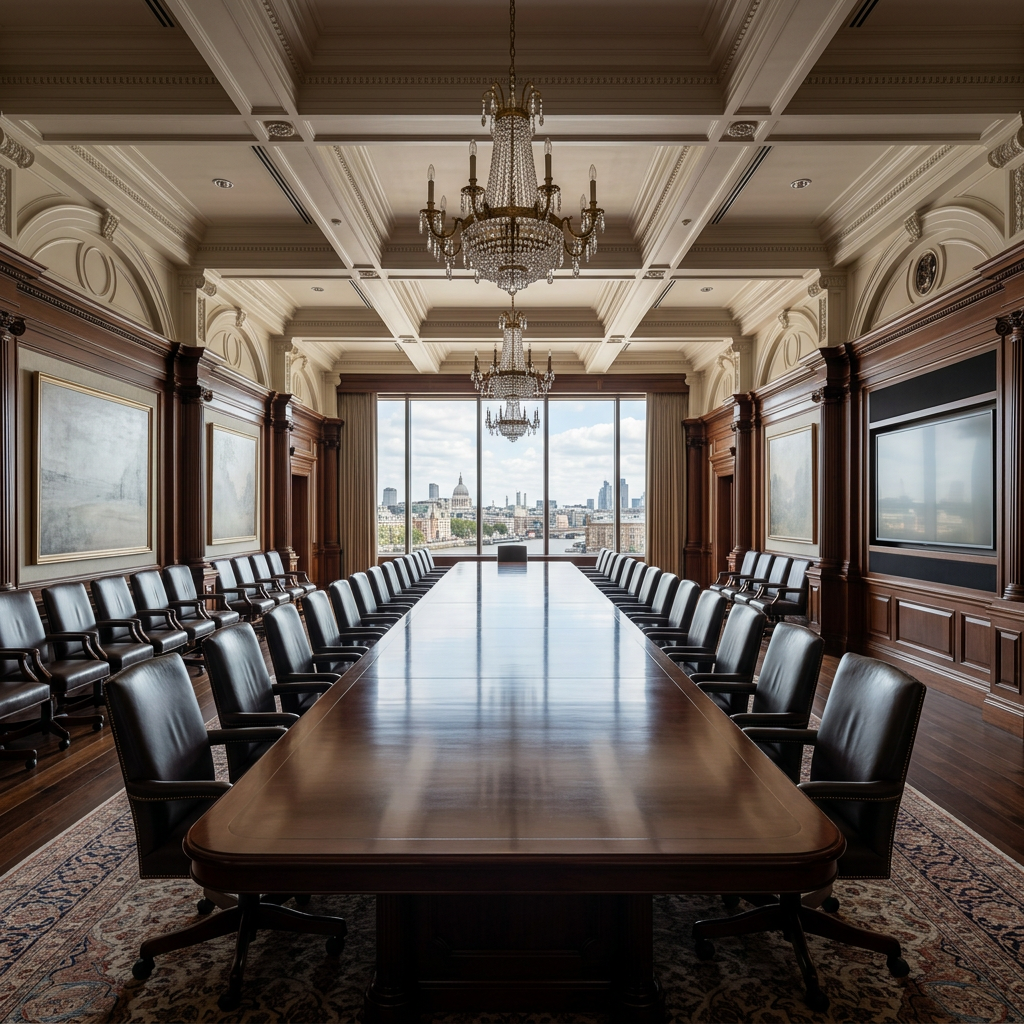
The situation is like a high-school drama with nuclear consequences. The U.S. says they are there for “talks.” Meanwhile, Iranian officials are insisting they won’t even be in the same room. Pakistan is effectively acting as the courier, running notes between two sides that refuse to make eye contact but desperately need to stop the bleeding.
| Key Metric | Status as of April 25, 2026 | Impact |
| Strait of Hormuz | De facto blockade (5 ships/day) | Global oil/LNG supply crunch |
| U.S. Gas Prices | Avg. $4.00+ / gallon | First time since 2022 |
| Negotiation Type | “Indirect” through Pakistan | High risk of miscommunication |
| Primary Demand | Abandoning nuclear enrichment | Verified cessation of uranium program |
Why This Isn’t Just Another Summit
Having spent years analyzing international banking and the flow of SWIFT financial messaging, I see this blockade as more than a military move. It is a systematic attempt to “de-bank” an entire region’s energy revenue. The U.S. naval blockade is strangling Iran’s economy, but Iran’s counter-blockade of the Strait of Hormuz is strangling global trade.
Only five ships crossed the strait in the last 24 hours, compared to the usual 130. Historically, this feels like a echoes of the 1970s oil shocks. Today, we see a modern version where “maximum pressure” has met “maximum disruption,” leaving common Americans to foot the bill at the pump while diplomats argue over seating charts.
The Analytic Foresight: What’s Next?
In my experience with political science and trade corridors, indirect talks through a third party like Pakistan usually take twice as long to yield results as direct Swiss mediation. This “diplomatic stall” will likely keep energy markets volatile at least through the next Federal Reserve meeting. If no “handshake” happens within 72 hours, the risk of a secondary supply chain shock in the tech sector becomes an almost certainty.
The stakes couldn’t be higher for the administration as midterms approach. Recent polling shows voter approval of the economy is underwater. Trump is betting that Kushner can pull off a “deal of the century” sequel, but Iran seems content to let the U.S. stew in its own energy crisis.
I’m left wondering: Can a deal actually be struck if the two main characters won’t even sit at the same table?
Do you think the U.S. should lift the naval blockade first to get Iran to the table, or is that giving up too much leverage?
Leave a Reply